Volunteer Tourism – needs to go viral, not parasitic

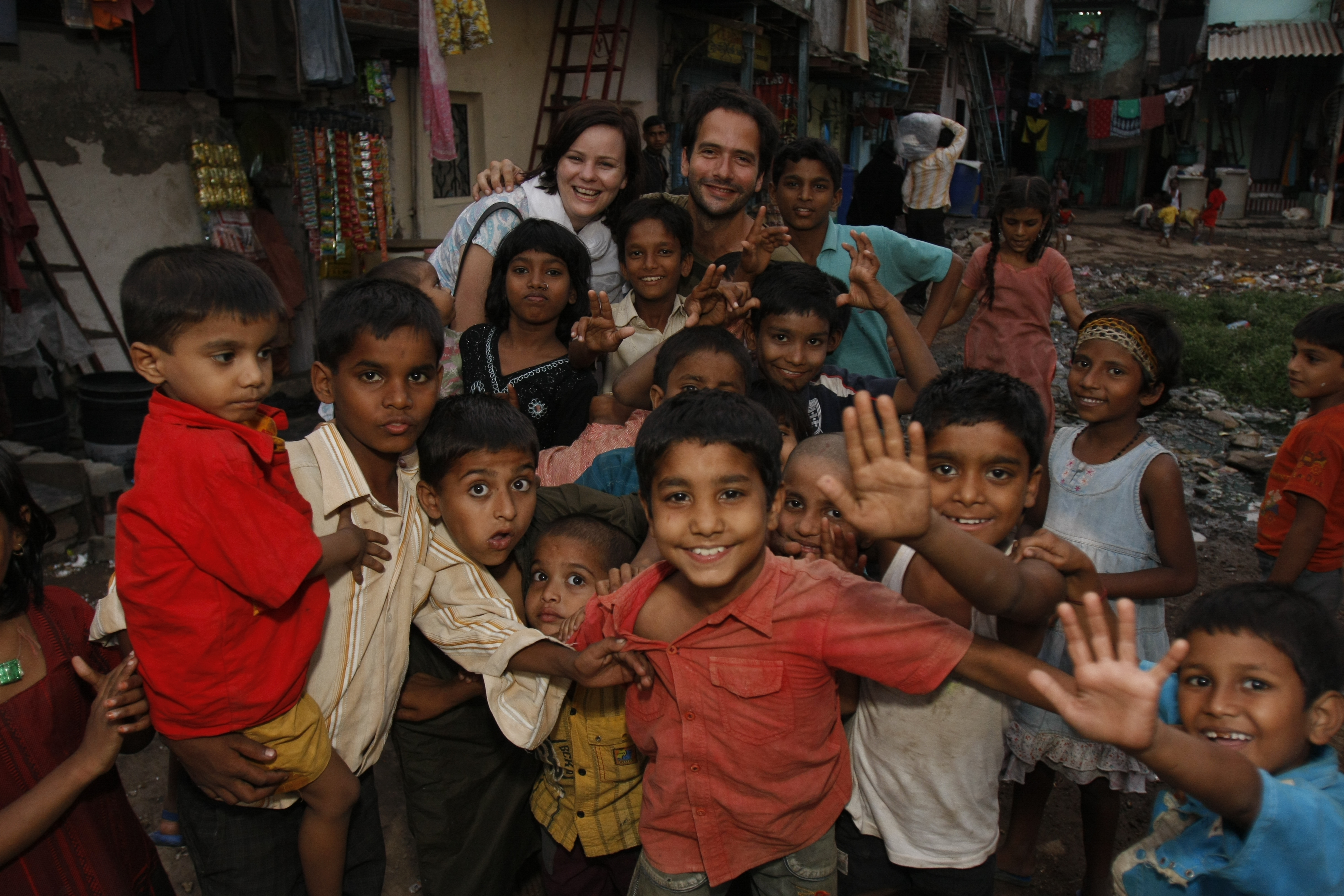
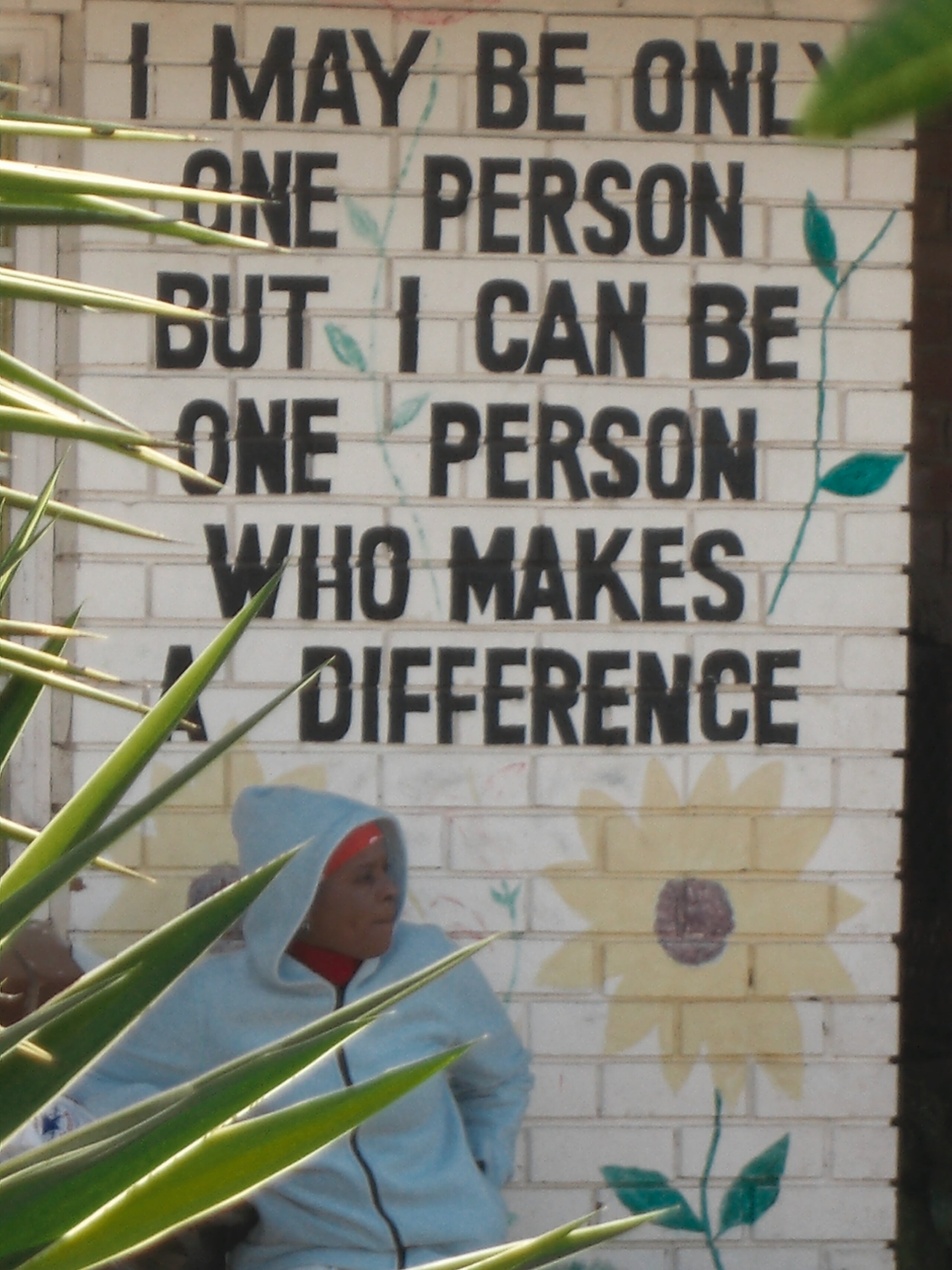
Missionvale, South Africa Photo: Una Shannon, volunteer with People and Places

At the last view, 415 people had watched the debate which took place at the World Travel Market in London in November 2012 on volunteering tourism on YouTube. Not exactly viral. However, if you are one of the million people who are thinking about using your valuable holiday time and money to volunteer next year, I highly recommend taking an hour of your time to watch this panel discussion about one of the fastest growing sectors of tourism which, to date, is still unregulated. Also, you could then prove one major player in the industry wrong. Richard Oliver, Chief Executive of Year Out Group, an association of leading gap year providers, responsible for sending 24000 young people abroad during 2011, claims that ‘For the volunteer, research and planning is essential …. and I have to say that young people don’t do it very well…. I am routinely disappointed that parents don’t get involved at least to take a discreet interest in what their children are doing…when things go wrong, parents are the first to jump on the bandwagon’ .

Year Out Group does not organise volunteering tours per se. They represent other organisations which do, and there is indeed a wealth of information on their site for volunteers to sift through, including a long list of questions that you should ask a gap year or volunteering holiday provider in order to get a clear picture of the work you will be getting involved with. There is also a Code of Conduct and Year Out Group’s members must ‘provide annual confirmation that they continue to meet these criteria’.

The criteria which volunteering holidays must meet in order to feature on Year Out Group’s site include guarantees on financial security for their clients, accurate websites and literature, professional support and welfare which ensure that all programmes are vetted and monitored by member organisations and that security and safety procedures are in place (all of which are basic legal requirements anyway, surely?). As well as this, member organisations agree to adhere to ethical considerations, albeit down at the lower end of the Code’s List of priorities. These include protecting the environment, respecting local culture, benefitting local communities, conserving natural resources and monitoring pollution.
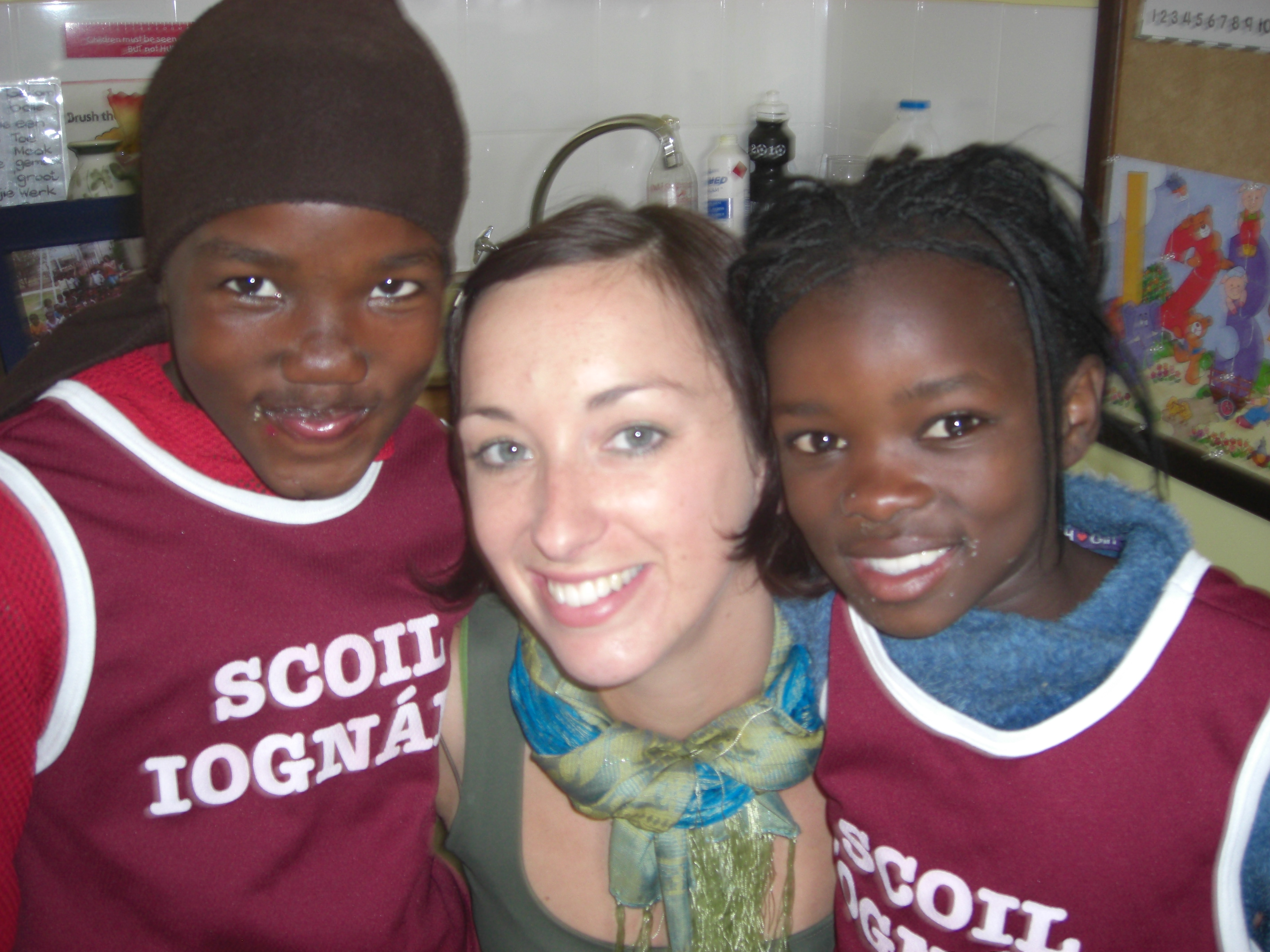
Una Shannon, volunteer in Missionvale with People and Places

All great on paper, but with no actual obligatory regulation, bar the British Safety Standard  BS8848 for group activities which may not apply to certain volunteering holidays anyway, the thing which ‘routinely disappointed’ me was not the fact that parents didn’t do their job, but that Year Out Group which represents all these volunteering holidays doesn’t  do thorough checks on their babies. According to Oliver, “Ethical issues are important but with so many activities in so many countries it has not been possible for Year Out Group to audit and we therefore do require the individual volunteer to do a considerable amount of research and planning for themselves to check out the organisation and to check out the individual project”.

Oliver goes on to emphasise that the young  internet generation is only interested in “instant response”, and “this doesn’t work for international volunteering” and that as a result these volunteers are, again, ‘routinely disappointed’ and that ‘the provider is disappointed too because they’d like to be able to help but can’t’. And yet, somehow it is acceptable for volunteering associations, of which there must be many around the world at this stage,  to use the internet to promote thousands of volunteering opportunities, so many in fact that they don’t have time to audit and who claim that the best auditors are the volunteers. But hey, when in doubt – blame the parents.

Another of the key speakers, Paul Miedema of Calabash Tours, an organisation working in urban townships of the slums of Port Elizabeth in South Africa does not blame the parents however. He goes to the core of the matter by waking tourists and tourism providers up to his reality saying, “I am pretty annoyed at some of the volunteer tourism practices taking place…it seems to be the belief that we can be the play thing of people that come from the north and come and play with us in the south, have a wonderful experience and go home…. some of us are then left to pick up the pieces”. As Miedema points out, it is a lot more complex than that, and with a big boom in volunteering tourism happening worldwide at the moment “everyone is scrambling around looking around for projects, because that is what they need to sell’. He stresses the need for well-structured community centred volunteer experiences with deep insight into the local context, adding “We need to go about it the other way round, in my view. What are the needs  of the local people is the starting point” and stresses that volunteering holidays “are not about selling a beach package. A lot of the work I do is about bringing people to people….creating a shared humanity’.

Fairtrade in Tourism South Africa, of which Calabash Tours is a member

There is a clear contrast in outlooks here. Year Out Group is very volunteer centred, emphasising the CV credits that a young person gets for volunteering, assuring parents on their website that “Volunteering in a community overseas helps to develop valuable life skills, which can set young people apart when applying for universities and jobs” and which “enable young people to develop their soft skills, broaden their education and develop a wider perspective on life.”  Whereas Miedema talks about Calabash’s process with much more of a community focus although not denying the importance of volunteer safety; “It is our responsibility to educate the communities about what the potential risks of this are, so that they can agree to do this as a community. What are the rights of children or vulnerable adults within these communities?”

Miedema also points out that in October 2012 a US volunteering organisation Peace Corps volunteer was imprisoned for fifteen years for sexually abusing children in an AIDS centre for pre-school age children in South Africa. “This is happening more than we want to admit”, says Calabash, “ It is our dirty little secret and it’s time we open that up and talk about it and talk honestly about that, and talk about the risk to volunteers but also to the communities”. And with a passioned plea, Miedema sums up by saying “Too much of what I see around me benefits only the volunteer… If you can’t do it in your own country, why do you come and do it in mine? If you are eighteen years old can you teach English here in a class? Can you work with children here in England without a CRB screening? Why do you want to do it in my country? Just because we are vulnerable? Just because we are in need? If you can’t do it at home, I don’t want you to come and do it with us.”

And so with a growth sector comes grave concerns.  Sallie Grayson, co-founder of UK organisation People and Places, which was awarded the Best Volunteering Company at the Virgin Holidays Responsible Tourism Awards in 2009, is equally frustrated with the desperate need for change in the industry, saying that ‘The big boys need to stand up and take responsibility of what is going on in the volunteering market” in her presentation. People and Places’ rules are simple and clear when it comes to volunteering holidays : They take their time to match volunteer skills with specific community led projects and these are always projects which already exist, and are not volunteer dependent; they carry out criminal record checks and work closely with all their project providers in situ to ensure that the volunteer role is genuinely necessary; they guarantee to her volunteers that their role is not simply a money making exercise which may, in the worst scenario, put a local person out of a job and, they are totally transparent about the percentage of the volunteer’s  money which ends up in the community. And so consequently, she has serious doubts about volunteering organisations which offer discounted, last minute trips due to the fact that serious project and volunteer liaison is simply not possible in such a short time.

There has been no major expose of the volunteering industry within the media to date, with the exception of a superb documentary People and Power:  Cambodia’s Orphans Business by Al Jazeera on child trafficking in Cambodia  in May 2012 (see below).  You can watch this on You Tube too, and interestingly it has had over 30,000 hits so far, although considering the fact that it exposes the vast profits being made by US volunteering organisation Projects Abroad, as well as its shabby practices in terms of fundamental child protection, informed consent in the community, transparency and project supervision, this film  should be viral by now. But nothing is viral yet in volunteering tourism yet, it would seem, as so much of what really goes on is being kept under wraps. It is time to get the message spreading, volunteers speaking about their experiences, governments reacting and acting, and the media talking. That way, we can get the responsible volunteering message viral, and in so doing, stop the industry from becoming totally parasitic.

For more information see Better Volunteering and Better Child Protection as well as the ongoing work of the International Tourism Partnership and Tourism Concern. There are also some very interesting comments in response to this post below, and in particular those from the team producing the voluntourism documentary, Hope was here, which you can find more about, including its superb trailer,  if you click here.

Zipcar does the trick

For the last couple of years I have been watching my neighbours’ behaviour with keen attention. The cool ones, that is, who flash phones at their cars to open them, and drive off in a metaphorical puff of smug smoke which, if it were a cartoon, would formulate the words ‘I’m so cool, I’m a Zipcar user’.  Zipcar is the UK’s leading car club organisation, with cars parked at locations all over London, Bristol, Cambridge, Oxford and Maidstone which you can reserve to use whenever you need. It also has branches in USA, Canada and Barcelona and growing.

My curtain twitching has meant that each time the dreaded annual demand (with proverbial price hike) for car insurance to be paid on my battered but faithful old family Volvo arrives, I have sat and done the sums and tried to work out whether I could make the leap from car owner to car club cool. The fact is that the sums came out pretty equal, when I also included the cost of hiring a car once or twice a year for longer excursions if and when necessary.

But for two years I have put off making the decision, mostly out of laziness I admit as it clearly wasn’t going to cost me any more money. But with two kids who need transporting here there and everywhere, I confess that I love the convenience of my car. I always have.  However, we live minutes’ walk from a London underground station, the kids walk to school, we all own bikes and so in reality we only use the car twice a week at the most. So, in my heart of hearts, I knew which way I had to go with this car attachment issue.

And then the decision was made for me a few weeks ago, when the Volvo finally passed away peacefully into its own little puff off knackered radiator smoke and I knew exactly whom to call. Zipcar. After checking on their website that there were about five cars within a 1.5 mile radius of our home I called them up, and within half an hour I was reserving my first shiny new Volkswagen Golf.

The whole transition from car owner to car clubber just kept getting cooler after that. The annual fee is £59.50 with an additional hire cost of £5 an hour during the week or £6 at weekends. And here’s the best bit – as long as you don’t do over 40 miles, the petrol is free too, and of course no insurance. And you don’t pay London’s Congestion Charge either, although I always use public transport to go into the city centre during the week anyway. The staff were incredibly helpful when I phoned up to register, without a hint of hard selling. Within minutes I found myself having a conference call with the DVLA to approve my driving licence details, during which I downloaded my Zipcar app, and then I was done. Free to drive. Plus they do have special offers, so keep an eye on their site. You also get a Zipcar card sent in the post which enables you to do everything you need to use the cars, but if you have a smartphone you can drive straight away, simply by using the cool app.

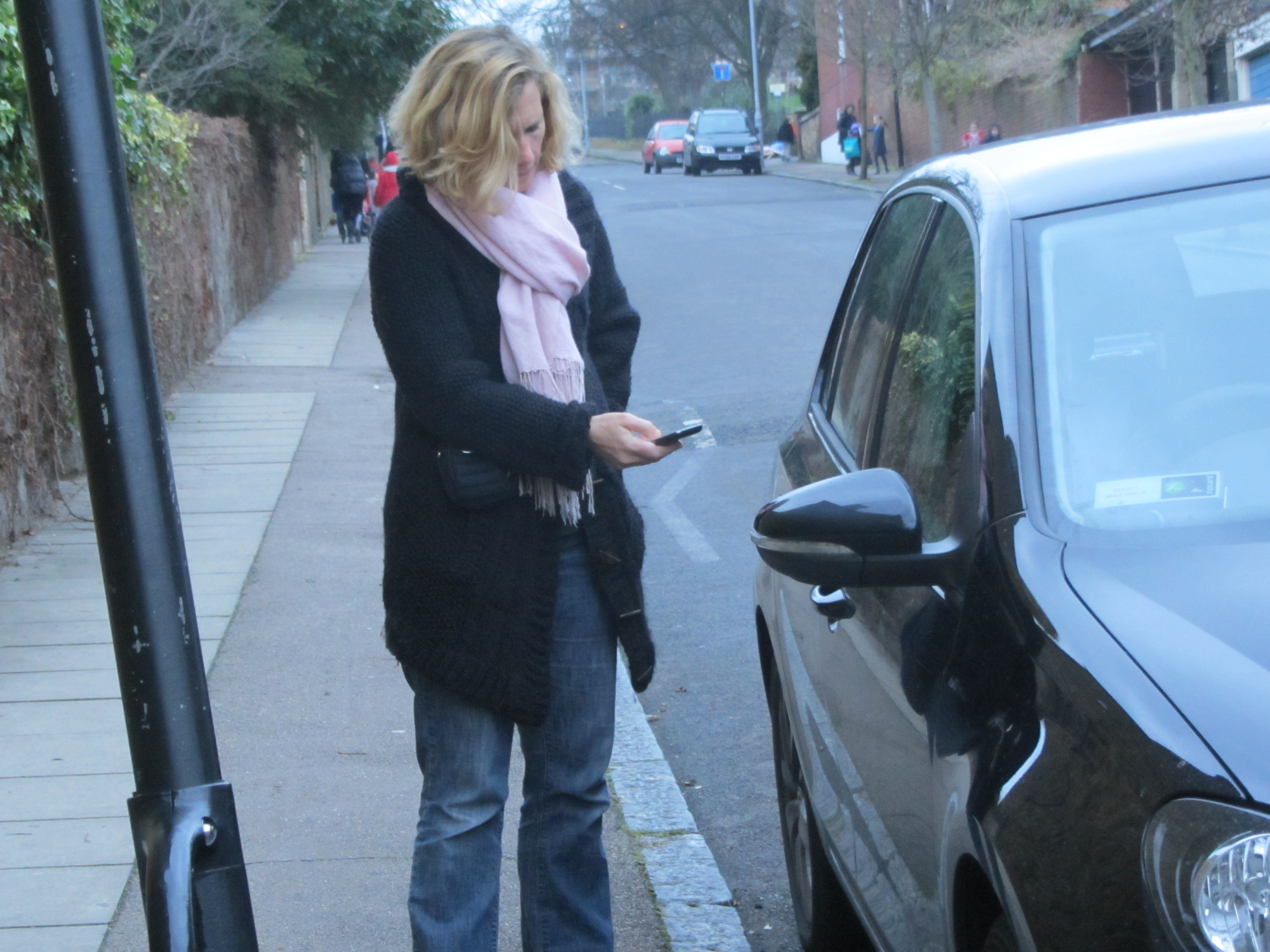
I just reserved the car that I needed for a couple of hours using the app, and then walked over there, which took five minutes, hit the ‘unlock car’ button on the app, and click, the door unlocked. I chanced my arm to see if I could get the use of it earlier than planned, as the car was sitting in its special car club parking space not being used, but it wouldn’t unlock until bang on the time I had reserved it for. When the car was unlocked, I found the ignition key inside, and off I drove. Well, after adjusting my head from manual to automatic, that is, and calming my kids down as they played with all the new buttons and revelled in the fact that there was actually a CD player, not an archaic cassette thing.

If you are late returning the Zipcar to the place you got it (it’s not like city bike schemes where you just drop them at any old Zipcar location, you do have to bring it back to where you got it) there is a fine of £35 per hour which is steep, so you have to be organised. Which generally, I am not, but I am learning. So, for example, I drop the kids at one of their things, while I take the car to the supermarket, collect the Christmas tree or whatever and then ‘zip’ back to get them.  And if you are running late, you can  extend your reservation when you are out and about, no problems, as long as it hasn’t already been reserved by someone else.

The only thing that I have to adjust to is the notion of paying £20 to do a rugby club run. That still feels like a lot of money to me, so of course you have to change your mindset about this, and remember that you are not paying petrol, insurance, breakdown tax, MOT and car maintenance costs. Plus the car which is closest to my home isn’t always available, so I have got into the habit of cycling to the nearest alternative and locking my bike to the Zipcar post (which has a convenient metal loop on it for this purpose I presume).

With petrol, the deal is that you are a good club member and fill it up when it goes under a quarter of a tank, using a payment card which is in the car. Because, again I say, I don’t pay for petrol! And all in all,  my kids love the fact that I have a ‘posh’ car, I love the fact that I have a reliable one (it comes with full breakdown cover if anything does happen), and we are all coming round to the realisation that we don’t need to own a car in the city anyway. I have booked it for every rugby and cricket training session for the next year, as you can reserve it well in advance, and have had no problems so far booking it at short notice. We are still in transition, but it feels good so far. If the kids were still babies, I would think differently for sure, but now it suits us all fine. And if I were young, free and single again, this would be just ideal. In fact, it has to be just about the best present to buy any young city dweller, which might solve a few birthday or Christmas present quandaries too. In the meantime, check out the video below and get zipping. It might be just up your street.

Note one year later: I have just renewed my subscription and loving my Zipcar. Couldn’t recommend it more highly.

Responsible Tourism a win win at World Travel Market 2012

I have just come back from the annual expedition to the World Travel Market in London, one of the biggest travel trade events in the world with countries selling their treasured possessions, be they natural, cultural or unapologetically artificial, to those who want to buy. It is an overwhelming event, a place where our long awaited holiday or wanderlust wishlist becomes a mere ‘product’, or something which ‘adds value’ to a ‘destination’. It highlights the fact that tourism is a massive industry, still one of the biggest in the world. An industry where people, who for me are central to a truly responsible and fair tourism venture, are referred to as stakeholders. Which sounds a bit like ‘spear carriers’ on stage – Irrelevant players who stand at the back and only move when told to.

There is at least one event at the World Travel Market where people are put centre stage –  World Responsible Tourism Day with its affiliated Responsible Tourism Awards. Set up in 2004 by responsibletravel.com it started off in a quiet corner of this vast market place, quietly handing out Responsible Tourism Awards to people who were doing extraordinary work on the fringes. It is now a rock ‘n roll event, with flashing lights and music, major international sponsors for each category, including Virgin Holidays as its key sponsor.  One thing that hasn’t changed, however, is the focus on individual achievement.

The Awards are divided into categories, and the nature of the award winners varies greatly, from slums to sumptuous resorts. Do also check out those who were highly commended, because their stories are ones which will get your feet itching and hopefully travelling in an increasingly responsible way.  Because the minute I walk out of the Awards and back into the mainstream marketing and bartering of travel products all around, the majority of which still have no intention of putting ethics before profits, I realise this effort to create change is one worth celebrating through all our travel choices. Choices which also, hopefully, provide you with the most fulfilling and exciting holidays ever.


Tours in the Dharavi slum in Mumbai, by Reality Tours wins overall Virgin Holidays Responsible Tourism Award

Best for poverty reduction (and Overall Winner)

Winner: Reality Tours and Travel, Mumbai, India

As well as winning this category, Reality Tours and Travel won the Overall Award for Responsible Tourism at the awards this year, to highlight the huge achievements of working in this difficult and controversial area of tourism. Established in 2005, they offer city and village tours in Mumbai and beyond, and this Award is for their educational Dharavi Slum Tours. Aware that many have mixed feelings about slum tours, Reality Tours aims to take an educational look at the strengths, opportunities, challenges and issues of life in the Dharavi community.

They donate 80% of post-tax profits to their sister NGO, Reality Gives. Reality Gives provides educational programmes for residents of Dharavi, and supports a number of micro-enterprise and community initiatives including sports, beekeeping, and youth empowerment programmes.

Among the success stories the company is able to lay claim to is that of Kaveri, who participated in their Youth Empowerment Program in 2011. A resident of Dharavi all her life, she had been a school drop-out. Although she had been unable to afford the course deposit of Rs500, which is charged to ensure attendance and reimbursed upon successful completion of the programme, Krishna, Reality’s co-Founder paid Kaveri’s deposit as he believed in her enthusiasm and willingness to succeed. In May of this year Kaveri joined Youth Career Initiative’s Hotel Management Programme and is now training at the Four Seasons in Mumbai.

Best accommodation for local communities

Winner: Soria Moria Boutique Hotel, Siem Riep near Angkor Wat, Cambodia

Soria Moria Boutique Hotel is named after the Norwegian fairytale Soria Moria Castle, which is often interpreted as being about individual paths to perfect happiness. For its employees, fairytales can come true, as its exemplary employee training programme supports staff from entry level jobs right up to management positions. Which may seem like the norm to me or you, but is still worryingly rare in tourism.  For example, General Manager Sam Sokha started out as a dishwasher at Norwegian owner Kristin Holdø Hansen’s first guesthouse. The only English she knew was how to introduce herself. With the support of the Soria Moria Employee Elevator programme she is now studying for her Masters in Business Administration (MBA). All the hotel’s employees are local, including management positions, and by their innovative Employee Ownership Scheme they have also  become partners and majority owners in the business with 51% of the shares.

Highly Commended:
La Villa Bethany (India)
Bulungula Lodge (South Africa)

Best accommodation for the environment   

Winner: Song Saa Private Island , Cambodia

Located in the Koh Rong archipelago in Cambodia, the luxurious Song Saa Private Island has 27 stunning villas that deliver on style, intimacy and picture perfect surroundings. Beauty isn’t just skin deep at Song Saa though, as its thorough and holistic approach to conservation sets it apart. Song Saa was instrumental in the foundation of Cambodia’s first marine reserve, they have created artificial reef structures to support the rehabilitation of coral, and built nestboxes to encourage hornbill conservation. Their Sala Song Saa School provides environmental and agricultural education for local people and youth training on organic soil husbandry.

Highly commended:
Bohinj Park Eco Hotel, Slovenia
Maliba Mountain Lodge, Lesotho

Best carbon reduction initiative

Winner: Sawadee Reizen

The Dutch small group adventure tours company Sawadee Reizen has identified that changing to direct “point-to-point” flights is the most effective way of reducing the carbon footprint of trips, resulting in a reduction in carbon emissions by an average of 10%.

Highly commended:
Beechenhill Farm, UK (beechenhill.co.uk)
ITC Sonar, India:

Best destination for conserving architectural heritage

Winner: St Kilda, Scotland 

The St Kilda islands were abandoned in 1930 by the remaining 36 islanders when life on St Kilda became unsustainable and the buildings rapidly fell into disrepair. Between 2008 and 2010 the National Trust for Scotland carried out a sympathetic restoration and you can still participate in this by joining one of their work parties in May and June, if you can face the eight hour boat journey from the Western Isles alone. Work party members get stuck into repairing stone walls, repairing turf roofs, clearing drains and repainting.

The judges saw the National Trust for Scotland’s work in St Kilda, the UK’s only mixed World Heritage site, important to both the cultural and natural heritage of the World, as a good example of the contribution which tourism can make to the maintenance of built cultural heritage in remote areas.

Highly Commended Responsible Tourism in Palestine Credit www.sirajcenter.org

Best engagement with people and cultures

Winner: South Nottingham College in Partnership with The Institute of Travel and Tourism of The Gambia 

About the winner: The South Nottingham College of Travel and Tourism curriculum team worked in partnership with local people to set up and run a vocational tourism education institute within the Gambia. This was staffed by Gambian students who were sponsored to study at the college in Nottingham, who subsequently returned to Gambia with the skills to train others.

Highly commended:
Uptuyu Adentures: uptuyu.com.au
Palestinian Center for Rapprochement between People – The Siraj Center, Palestine: sirajcenter.org

Best for conservation of wildlife and habitats 

Winner: Huilo Huilo Biological Reserve, Chile

About the winner: Since 2000 the Huilo Huilo Biological Reserve has conserved over 100,000 hectares of Patagonian temperate rainforest. The owners have changed the way in which they, and the local community, secure a living from this large piece of Patagonian forest, moving from logging to conservation and sustainable tourism.

Best in a marine environment 

Winner: Moonraker Dolphin Swims, Australia

About the winner: Moonraker Dolphin Swims offer the opportunity to swim with wild Burranan Dolphins and Australian Fur Seals, whilst taking steps to ensure the dolphins do not become habituated and remain truly wild. Port Philip Bay in Victoria is one of Australia’s last remaining homes for this genetically unique family of dolphins. They are wholly committed to monitoring the populations and their health, as well as practising strict interaction rules.

Highly commended:
blue o two, UK: blueotwo.com

Best in a mountain environment

Winner: 3 Sisters Adventure Trekking 

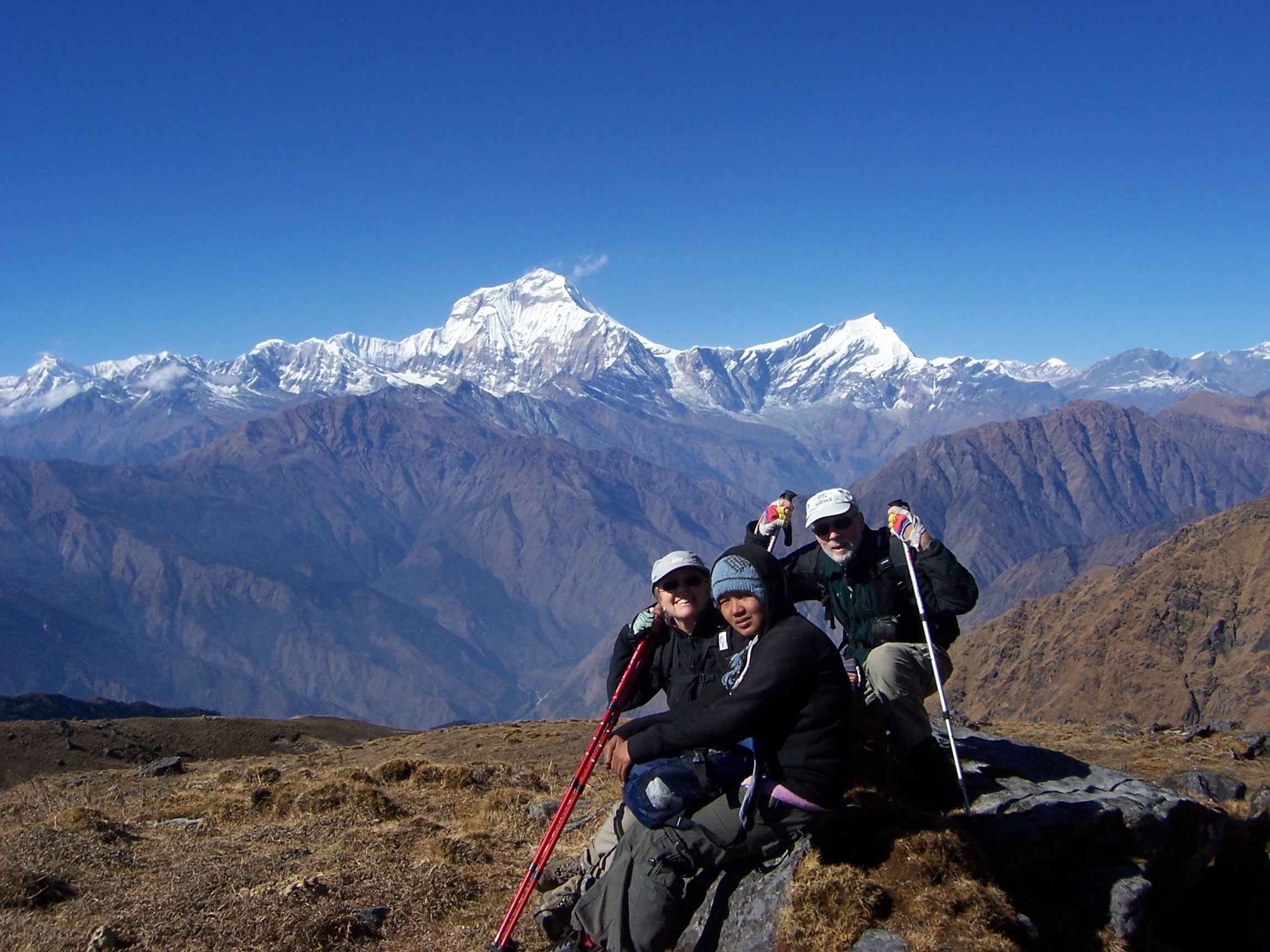
About the winner: Owned and run by the Chheti sisters, 3 Sisters Adventure Trekking train and employ women as high-altitude guides and porters, a break from tradition in the male-dominated Nepalese trekking industry. Employment means empowerment for women in the impoverished west of Nepal, their wages can lift whole families out of poverty and allow the women themselves to continue their education, a rare opportunity in a country where, according to UNESCO, just 2% of female school leavers go on to university.

Along with their sister organisation Empowering Women of Nepal (EWN) a local grassroots non-profit organization, they are working to gain gender equality, the elimination of child labour, peace and responsible economic development. The judges were impressed by their work to empower women and by their success in combining business and social goals.  So, if you are a woman trekker, and would love to have a woman guiding you, check them out. Their ethos is well summed up by the sisters who say “We do not bring stop watches in our back packs, we bring time… time to stop and smell the mountain flowers, watch the monkeys play, the eagles soar, time to really enjoy all the sights and sounds of a foreign land”. Go girls.

Highly commended:
EcoCamp Patagonia, Chile (ecocamp.travel)


Three Sisters Adventure - Winners Best in Mountain Environment Photo: www.3sistersadventure.com/

Best in responsible transport

Joint winners: Big Lemon Bus Company, UK and Green Tomato Cars, UK and Australia

This year the judges decided to award two winners in this category, partly because there were a number of strong nominations this year, but also to reflect the importance of taking responsibility for reducing carbon emissions in all kinds of transport. Based in Brighton in UK, all of the Big Lemon Bus Company’s vehicles run on biodiesel from locally-sourced waste cooking oil. And London and Sydney-based Green Tomato Cars use low emitting vehicles, so customers can be confident that they are getting from A to B in the greenest way possible short of using public transport, cycling or walking.

Highly commended:
Grand Canyon Railway: (thetrain.com)
The New Forest Tour (thenewforesttour.info)


Best innovation 

Winner: The Nature Observatorio Amazing Treehouse, Costa Rica

The Nature Observatorio Amazing Treehouse is suspended in the canopy of a Nispero tree, 25m above the forest floor. The Treehouse is, according to designer and developer Peter Garcar,  just a guest of the tree for 5 to 7 years, and great care is taken to ensure that when the tree house is removed there will be no trace of it ever having been there. Income from paying guests is used to fund the purchase further forest, which is placed under protection. Peter hopes to take the concept worldwide to demonstrate that a living tree is more valuable than a dead one. The judges were particularly interested in the innovative fractional ownership, whereby an additional  500 square metres of forest is set aside on behalf of every tourist booking a week over 5 years.

Best tour operator for promoting responsible tourism 

Winner: Explore 

For Explore, Responsible Tourism is a commercial decision, not just an ethical one. By operating responsibly they believe their customers will have a better experience. The judges were impressed by how they engage travellers in their Responsible Tourism approach. Their Responsible Tourism pages give information to customers about how they can make their trips more responsible both before and during their trip, as well as when they return home and their multi-award winning status show that they certainly practice what they preach.

Highly commended:
Biosphere Expeditions: biosphere-expeditions.org

Best in responsible tourism writing

Winner: Emma Thomson for At Home With the Himba, pubished in Wanderlust Magazine 

The judges particularly liked Emma Thomson’s account of her homestay with the Himba and the makeover she had while dressed as a Himba woman. A colourful and engaging piece without being preachy, the article explains why this more responsible form of tourism makes such a better tourist experience. On the day before she leaves she is ogled by some tourists, and to quote from her article “for a brief moment, I catch a glimpse of life on the other side of the fence.”

Highly commended:
In Search of an Alternative Palestine by Gail Simmons 
Salt of the Earth by Caroline Eden

Best volunteering organisation

Winner: Elephant Human Relations Aid 

Elephant Human Relations Aid focuses its activities on the conflict between the desert elephants of Namibia and local communities, caused by elephants damaging vital water points. Their short-term volunteer teams strengthen water points so they can be used by both humans and elephants without getting damaged.


Wild swimming for families

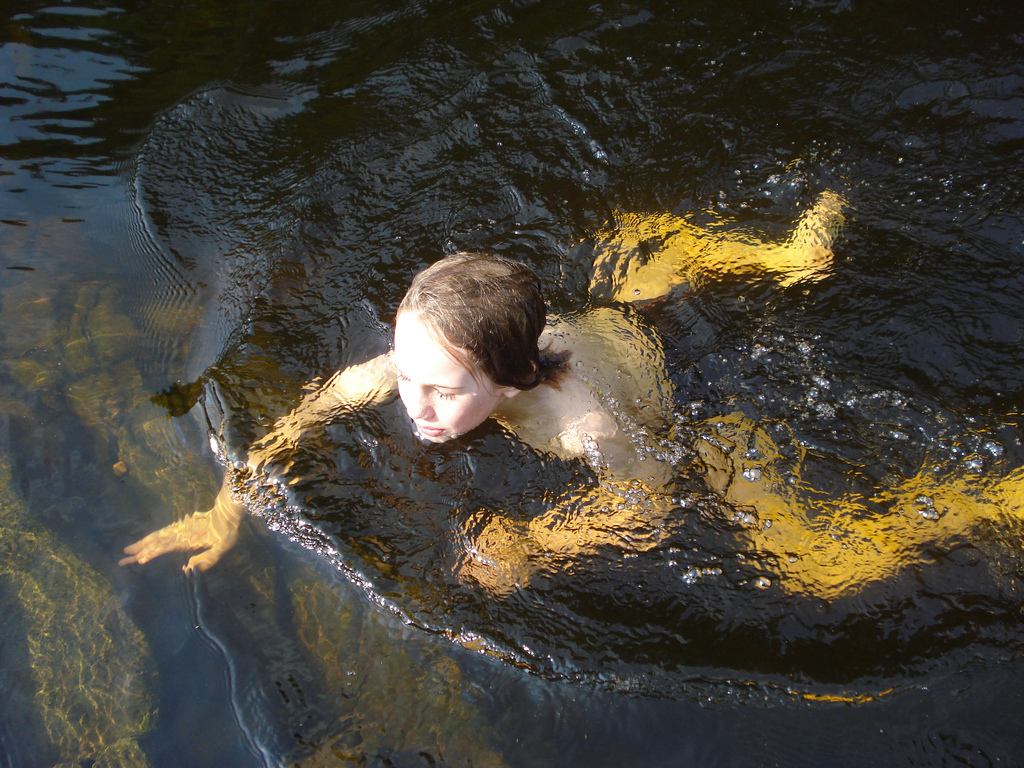
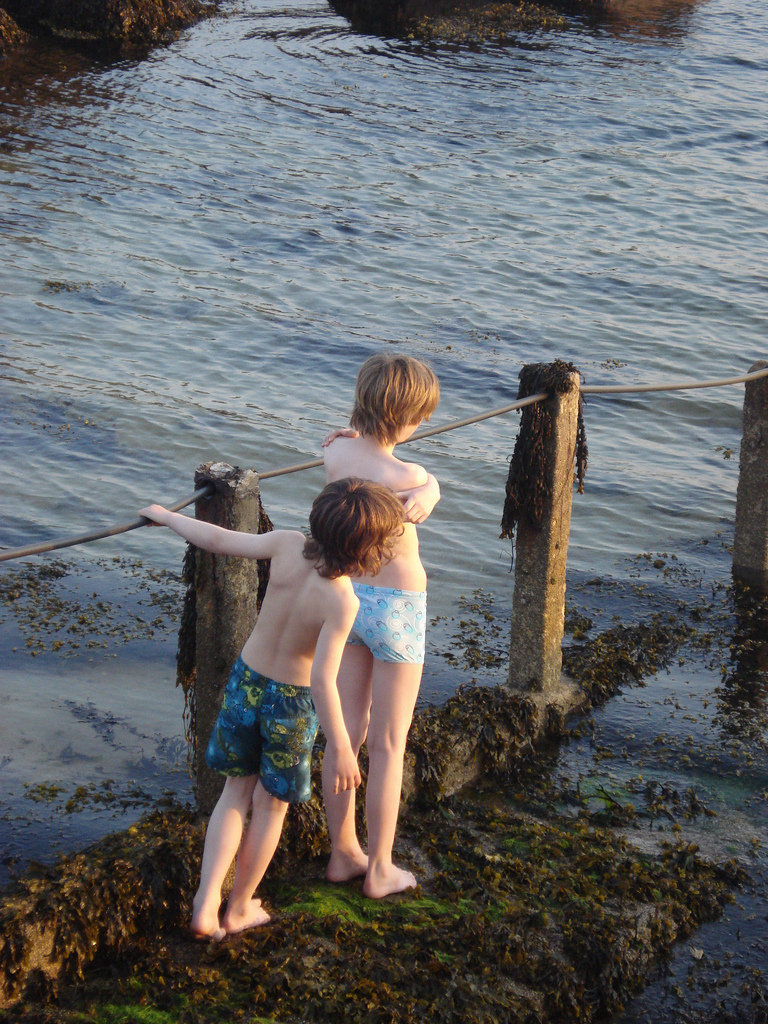
Kids love to go wild swimming too Photo: Catherine Mack

Ever since returning from my swimming holiday a few years ago, my kids have been pestering me to know when they can do one too. Most swimming holiday providers don’t cater for kids, or families, being aimed more at the long distance neopreners. However, there is a place for everyone, and Dan Graham and Gabby Dickinson who founded the new outdoor swimming company based in North Wales, Gone Swimming, have filled this gap in the market.

This coming October half term, from Saturday 27 – Tuesday 30 October, they are running a family wild swimming long weekend, teaching not only the skills of open water swimming to parents and children, and as Dan is a water safety expert and Gabby is a child care professional (as well as complete water babies themselves) they are well qualified to do so too.

They are basing the trip in Cwm Pennant Hostel in the Cwm Pennant Valley close to the base of Snowdon. From here, they have a plethora of outdoor swimming spots on the doorstep, and the choice of swim will depend on the weather conditions and also the sort of thing that families are hoping to do.

Gone Swimming want to provide families with the knowledge they will need to make sure that they carry on wild swimming long after the Half Term. They will be reading the maps, deciding on locations as well as learning about how cold water affects both adults and the kids. Dan and Gabs will be with them in the water and every step of the way, but this is not a coaching or training weekend, more a blast in the open water sort of weekend. And yes, wetsuits are a must!You can also hire them from Gone Swimming if needs be.

Learning to embrace the cold while wild swimming Photo:Catherine Mack

There is an early booking offer on this trip of £300 per person, adults and children alike (a saving of £50 per person over the regular price) – that is for an all inclusive three night stay (arrival Saturday and depart Tuesday). It is also worth noting that they will pick you up from Bangor station if you choose to go by rail, so dig out your Family and Friends’ Railcard and get a great offer on the train too.