Watching Jersey grow, the green way

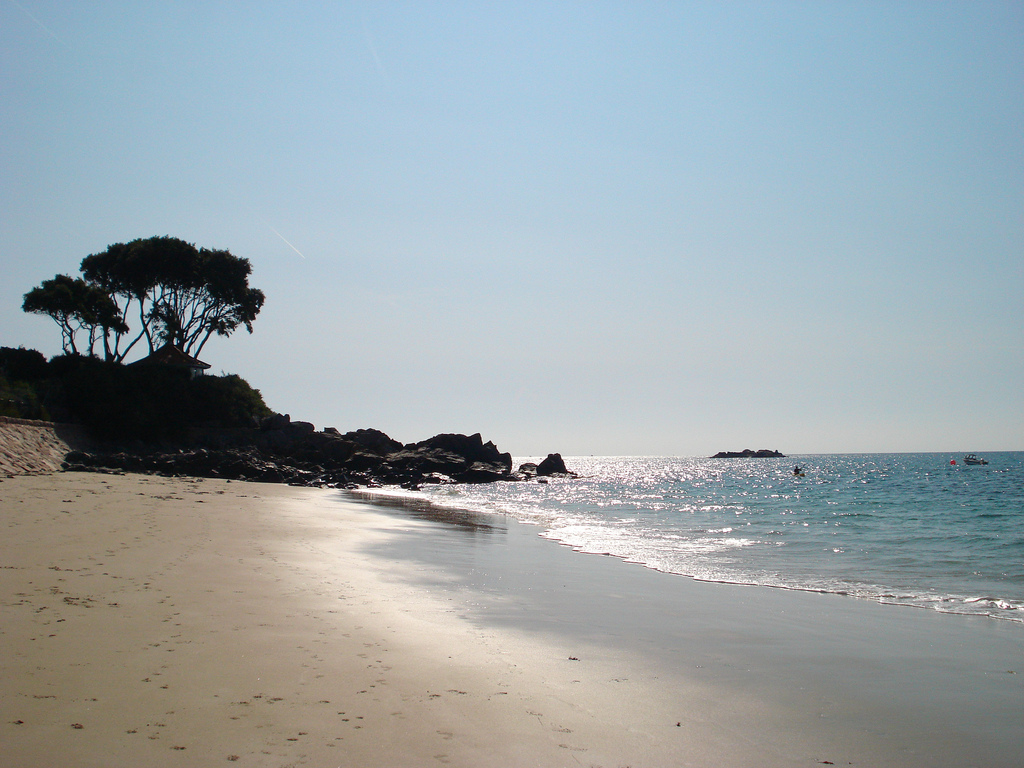
I smiled at the irony of a man in a Panama hat, accompanied by a woman swathed in silk scarves, stopping their convertible vintage sports car to give way to our Number 1 bus as it left Liberation Station in St. Helier. I was taking the green way across Jersey,  travelling by bus, bike and boot power,  not only to discover its eco-friendliness, but also to allow myself a holiday where I truly slowed down. Some might say this is also a vintage approach to travelling, but  with the emphasis on green rather than glam in my case.

Continue reading “Watching Jersey grow, the green way”

Titanic Belfast – it didn’t rock my boat

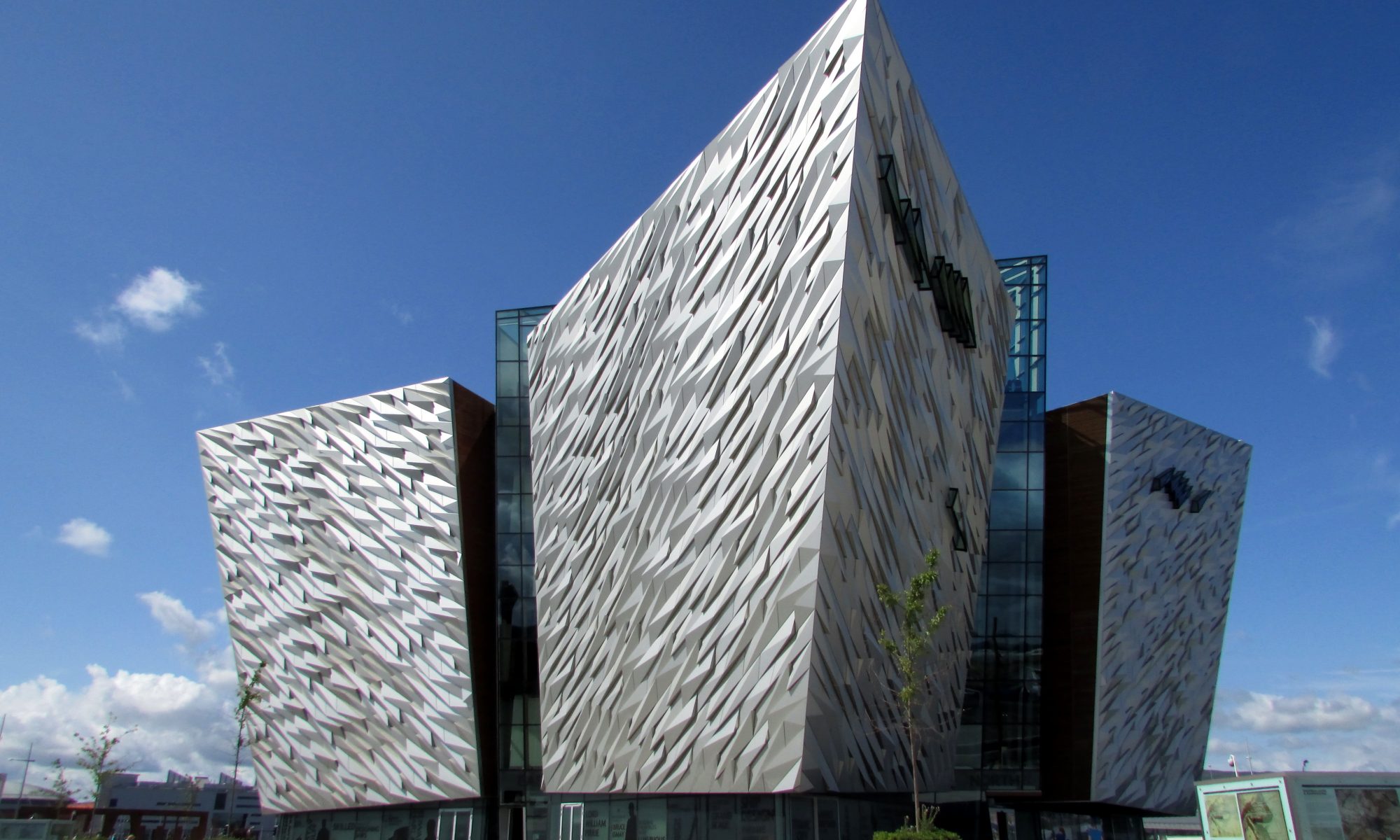
It stands in the middle of a waste ground like a glittering Christmas bauble that is found months after the celebrations are over, lying in a dusty corner of the shed somewhere. It cost millions and it is now the biggest visitor attraction in Northern Ireland, surpassing the Giant’s Causeway. It’s Titanic Belfast, sitting pretty in the derelict urban space where industry once thrived. It shines, it sparkles, it grabs the eye. And yet, it looks weirdly out of place.

Continue reading “Titanic Belfast – it didn’t rock my boat”

HF Holidays – fine fellows celebrate a hundred years of outdoor holidays

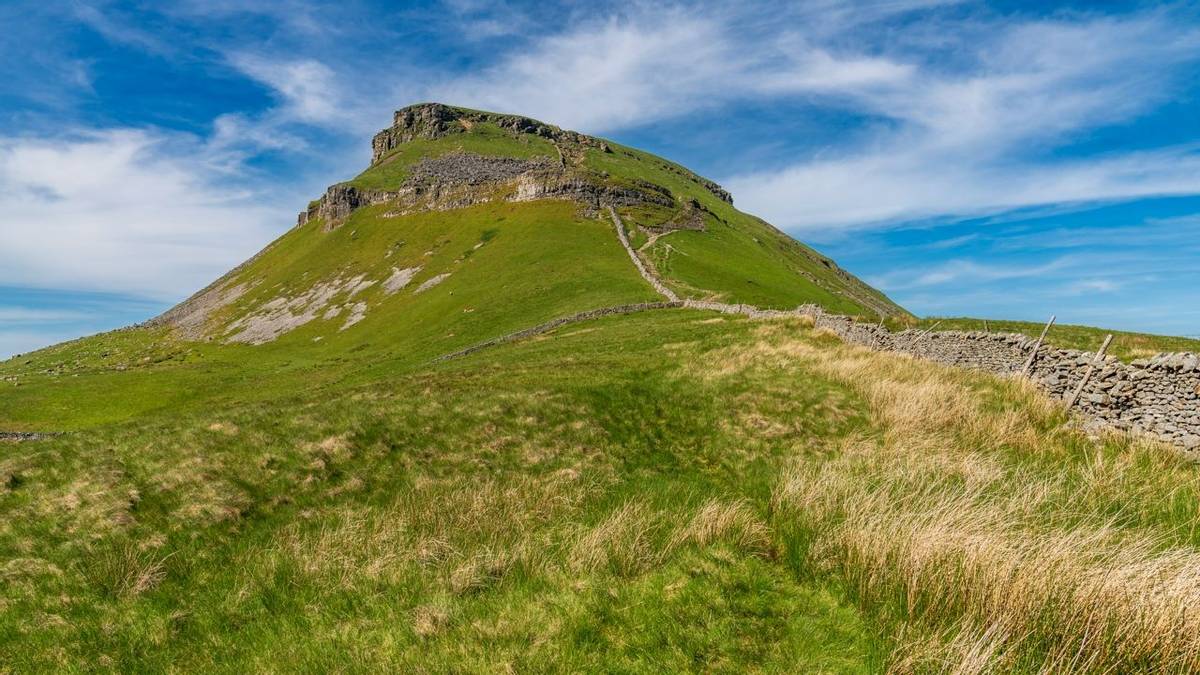
Long before the words ethical or eco started creeping into the tourism industry’s boardrooms, there was one man who was quietly laying the foundations of fairness in travel. Thomas Arthur Leonard (or TA as he was known) founded HF Holidays in the UK a hundred years ago and it is still one of the leading providers of walking holidays in the UK and Europe. Although TA’s achievements have been relatively uncelebrated to date, the centenary of an organisation which still remains the only UK holiday provider that is a truly co-operative society, gives us a good opportunity to take stock of this pioneering philanthropist’s achievements.

Continue reading “HF Holidays – fine fellows celebrate a hundred years of outdoor holidays”

Pembrokeshire’s banks are rolling in it

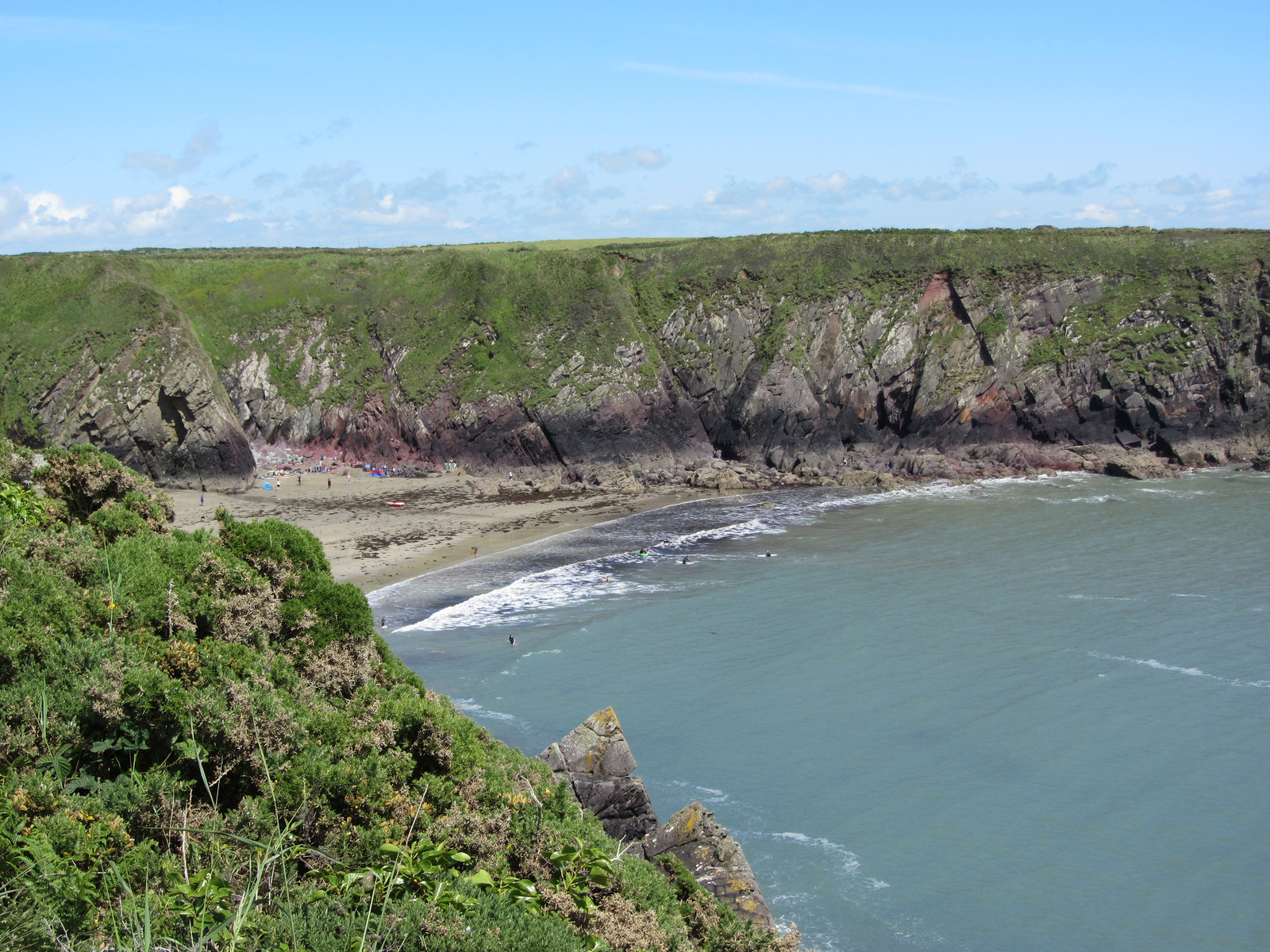
It strikes me as somewhat ironic that the hedgerows which envelop me along this shady lane are called Pembrokeshire Banks. Because while the rest of the world’s banks fall into crisis and collapse, these ones are proffering a wealth of natural wonders. These traditional stone field boundaries, known locally as Cloddiau or Clawdd, unlike drystone walls, are bedecked with grass and wildflowers, thanks to the turf and soil stuffed in between the stones, providing not only a windbreaker and boundary, but also a haven of natural and indeed, rich, habitats. This also creates the perfect habitat for walking in Pembrokeshire.

Continue reading “Pembrokeshire’s banks are rolling in it”